Electric Bike Speed Controller: Optimizing Performance and Efficiency
As electric bikes (e-bikes) continue to revolutionize the way we travel, one of the most critical components in these vehicles is the speed controller. It plays a vital role in managing the power flow between the battery and the motor, regulating speed, and ensuring a smooth and efficient riding experience. Whether you’re switching between the bicycle mode or the electric vehicle mode, the controller makes the transition seamless. In this article, we will explore the function, importance, and types of electric bike speed controllers, and why they are essential for enhancing performance and extending battery life.
What is an Electric Bike Speed Controller?
The electric bike speed controller is an electronic device that manages the power delivered to the motor based on input from the rider, such as throttle control, pedal assist, or both. It acts as a middleman between the e-bike’s battery and motor, adjusting the amount of current the motor receives depending on how fast you want to go or how much power you need.
In simple terms, the controller determines how much electrical energy is sent to the motor, directly affecting the bike’s speed and performance. Without a well-functioning speed controller, an e-bike would either not be able to regulate speed properly or could overwork the motor and battery, leading to inefficiencies or damage.
Importance of the Speed Controller in Electric Bikes
The speed controller is crucial for several reasons. First, it ensures that the motor does not receive more power than it can handle, which can prevent overheating and extend the lifespan of your bike. Additionally, the controller helps optimize the use of the battery by providing the appropriate amount of power needed for specific riding conditions, such as going uphill, accelerating, or coasting downhill.
A well-calibrated controller improves the overall riding experience, offering a smooth transition between different speeds and reducing sudden jerks or losses of power. It also helps to balance the torque, making it easier to ride in different terrains, such as city streets or snowy roads, without losing control of the bike.
How Does an Electric Bike Speed Controller Work?
The electric bike speed controller is connected to several essential components of the e-bike, including the throttle, pedal-assist system, battery, and motor. It gathers information from these parts and processes it to manage the speed. Here’s how it works:
- Throttle input: When the rider twists or presses the throttle, it sends a signal to the controller, requesting more or less power based on how much acceleration is needed.
- Pedal-assist sensors: Some e-bikes come with sensors that detect when the rider is pedaling and how hard. The controller uses this information to adjust power to the motor, assisting the rider while pedaling.
- Battery management: The controller regulates the flow of energy from the battery to the motor. This management helps in conserving energy, improving battery life, and preventing overheating.
- Motor control: Depending on the signals from the throttle and sensors, the controller manages how much power the motor receives, controlling both speed and torque.
Types of Electric Bike Speed Controllers
There are several types of speed controllers, each offering varying levels of performance and features. Depending on your e-bike’s design, you can choose the type of controller that best suits your riding style and performance requirements.
1. Brushed Motor Controllers
Brushed motor controllers are commonly used in e-bikes with older motor technology. These controllers are simple in design and easier to maintain. They control power flow to the brushed DC motor by adjusting the voltage, which in turn affects the bike’s speed. While they are affordable and relatively easy to replace, brushed motor controllers tend to have lower efficiency and can wear out faster due to friction between the brushes and the commutator.
2. Brushless Motor Controllers (BLDC Controllers)
Modern electric bikes generally use brushless motors, which require more advanced speed controllers. Brushless controllers are more efficient than their brushed counterparts and provide better performance. They use electronic commutation instead of physical brushes, reducing wear and tear on components and increasing the lifespan of the motor.
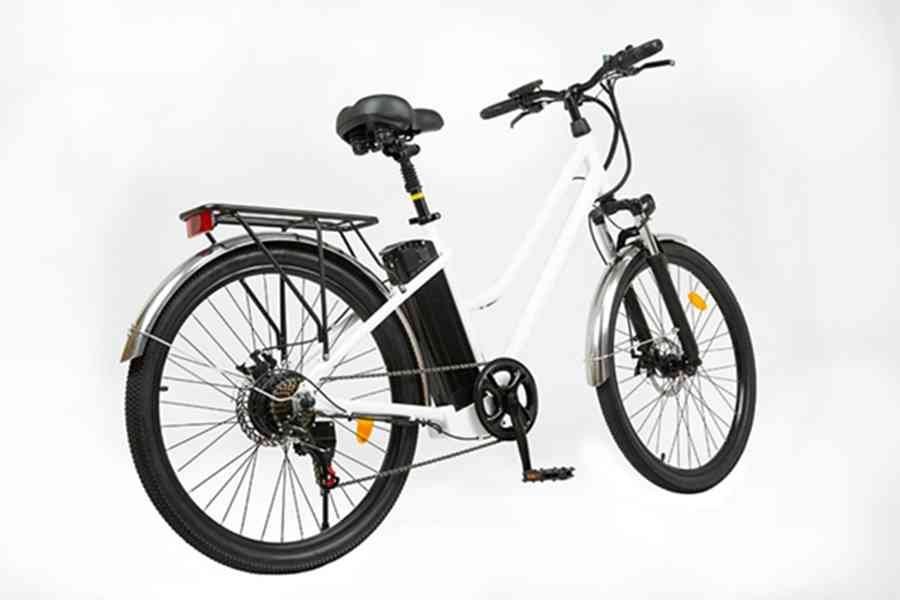
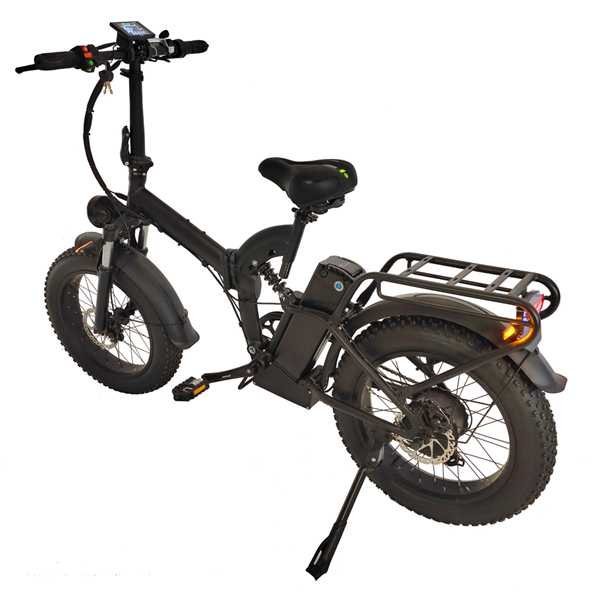
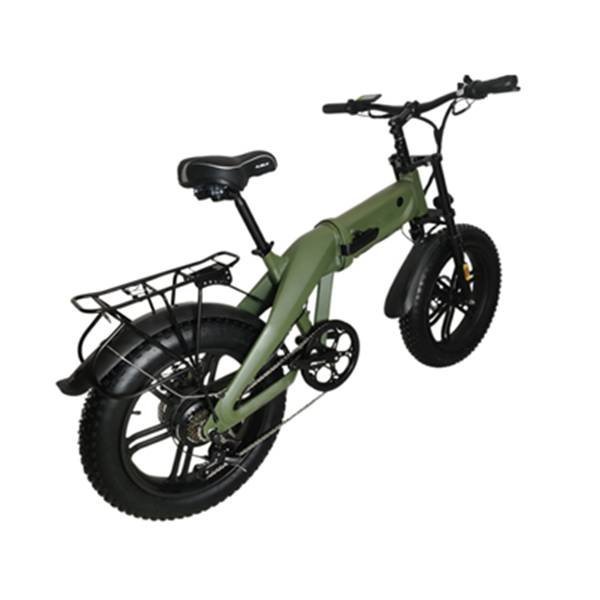
Brushless controllers also allow for more precise speed regulation and smoother operation, making them ideal for various terrains and conditions. Whether riding a 20-inch fat tire model or a 26-inch snow bike, a brushless controller will enhance your bike’s overall performance and adaptability.
3. Sine Wave Controllers
For a smoother and quieter ride, sine wave controllers are an excellent choice. These controllers use a sine wave signal to regulate motor speed, resulting in a more stable current flow and reduced noise. This type of controller is ideal for riders looking for a silent, efficient, and smooth riding experience, particularly in city environments with frequent stops and starts.
4. Square Wave Controllers
Square wave controllers are another common type of speed controller, often found in budget e-bikes. While not as smooth as sine wave controllers, they are effective at delivering power to the motor, especially during rapid acceleration. However, they tend to be noisier and can cause a slightly jerky ride, particularly at low speeds.
How to Choose the Right Electric Bike Speed Controller
Choosing the right speed controller for your electric bike depends on several factors, including the type of motor, your riding style, and the terrain you’ll be navigating. For example, if you prefer city commuting and value a quiet ride, a sine wave controller would be ideal. On the other hand, if you need more power for off-road conditions or snow biking, a brushless or square wave controller might be a better fit.
It is also essential to consider the voltage and current capacity of the controller. The controller must be compatible with the motor’s power rating and the battery’s voltage to avoid inefficiencies or damage to the bike’s electrical system. Additionally, make sure the controller supports features like pedal-assist, regenerative braking, and throttle control, depending on your preferences.
Conclusion
The electric bike speed controller is a vital component that significantly impacts the performance, efficiency, and longevity of your e-bike. Whether you’re riding a compact 14-inch folding model or a robust 29-inch city bike, a well-designed controller ensures a smooth, responsive, and enjoyable ride. As technology advances, modern controllers like brushless and sine wave models offer greater precision and quieter operation, making them ideal for a wide range of terrains and riding conditions.
For dealers and agents interested in selling electric bikes, understanding the role of the speed controller can help in providing valuable insights to customers. As LIIDEWA seeks to expand its presence in the European and American markets, collaborating with partners who recognize the importance of quality components like the speed controller will lead to mutual success. By choosing the right speed controller, riders can enjoy a seamless experience, switching between bicycle and electric modes effortlessly while maintaining top-tier performance.
You maybe Like:
- Uncategorized
For adults Electric Bike
- Uncategorized
Best Buy Electric Bike
- Uncategorized
Adult Electric Bike
- Uncategorized
Adults Electric Bike
- Uncategorized
e electric bike liideway manufacturer
- Uncategorized
electric bike european warehouse liideway manufacturer
- Uncategorized
israel electric folding bike liideway manufacturer
- Uncategorized
8000w electric bike liideway manufacturer
- Uncategorized
electric motorcross bike liideway manufacturer

LIIDEWAY most popular Electric scooter are linked below:
T1 Single Motor 10inch off road tire
T1Pro Double motor 48v 23AH battery
T14 Single Motor 12inch city road tire
T6(Double motor)
T7 Double motor 11inch off road tire
T8 Double motor 60v 20AH battery
T9(Double motor)
T10 Double motor 11inch off road tire
LW3-Wheel(3wheel)
T5 Double motor 72v 50AH battery
T4 Double motor 60v 20AH battery
T11 Double motor Acrylic LED board
T13 Electric Snow Scooter 1500w motor