Electric Bike Speed Controller Circuit: Understanding the Core Component of LIIDEWA’s Electric Vehicles
Electric bikes (e-bikes) have become increasingly popular in recent years, and one of the key elements that make them versatile and efficient is the speed controller circuit. At LIIDEWA, where innovation in electric vehicle manufacturing is at the forefront, the speed controller plays a vital role in providing seamless transitions between electric and manual modes. This article delves into the essential components and functions of an electric bike speed controller circuit, its importance in enhancing performance, and how it fits into LIIDEWA’s versatile product line, from 14-inch folding bikes to 29-inch city models.
What Is an Electric Bike Speed Controller Circuit?
An electric bike speed controller circuit is the heart of any e-bike. It regulates the power flow from the battery to the motor, controlling the speed and torque of the bike. The controller works by receiving signals from various inputs, such as the throttle and brake sensors, and then adjusting the voltage sent to the motor based on these inputs. In other words, it ensures smooth acceleration and braking, making the riding experience safer and more efficient.
In LIIDEWA¡¯s electric bikes, the speed controller plays a significant role in providing a seamless user experience, especially in models designed for long-distance travel. The portability and adaptability of LIIDEWA’s products, whether it¡¯s a folding 14-inch model or a robust 26-inch snow bike, depend heavily on how efficiently the speed controller manages power distribution.
How Does the Speed Controller Circuit Work?
The speed controller circuit of an electric bike has a few crucial components that allow it to function properly:
MOSFETs (Metal Oxide Semiconductor Field Effect Transistors): These are used as switches to regulate the flow of electricity from the battery to the motor. By controlling the on/off states of these transistors, the controller adjusts the speed of the bike.
Throttle Input: This is a vital interface for the rider, usually in the form of a twist or thumb throttle. When the rider engages the throttle, it sends a signal to the controller, which adjusts the voltage and current supplied to the motor.
Microcontroller Unit (MCU): The MCU processes the input signals (throttle, brake, pedal assist) and sends commands to the MOSFETs. It acts as the brain of the controller, ensuring optimal power usage and performance.
Brake Cutoff Sensor: When the rider applies the brakes, this sensor immediately cuts off power to the motor, ensuring safety by preventing unintended acceleration.
Hall Effect Sensors: These sensors help detect the position of the rotor within the motor and send this information to the controller. This allows for more precise control of motor operation, leading to smoother rides.
By combining these components, the speed controller circuit is able to ensure that LIIDEWA¡¯s electric bikes offer high performance, stability, and energy efficiency, whether it’s a fat-tire 20-inch model or a 29-inch city bike.
Importance of Speed Controllers in LIIDEWA’s E-Bike Models
The electric bike speed controller is an essential component in all of LIIDEWA¡¯s models, ensuring that riders experience maximum performance. Whether it¡¯s the compact and foldable 14-inch bikes or the larger, fat-tire models designed for rugged terrain, the speed controller adapts to varying conditions.
Versatility Across Models
Each LIIDEWA bike is equipped with a controller that matches its intended use:
14-Inch Folding Models: Designed for portability and urban commuting, these bikes need speed controllers that allow for smooth transitions between manual pedaling and electric assistance, ensuring quick accelerations in city traffic.
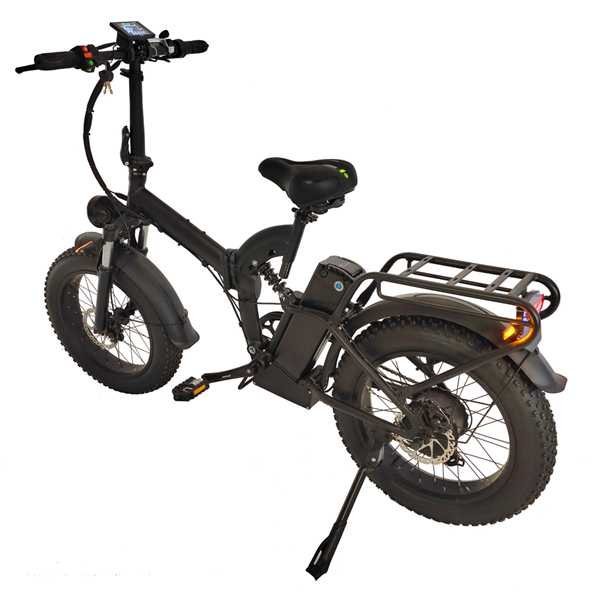
20-Inch Fat Tire Versions: These bikes are built for rough terrain, so the controller circuit needs to manage higher power outputs for better torque and handling, particularly on challenging surfaces such as dirt roads or sand.
26-Inch Snow Bikes: Speed controllers in snow bikes must be able to handle extreme cold temperatures while maintaining power efficiency. This is essential to ensure that the bike operates smoothly even in harsh winter conditions.
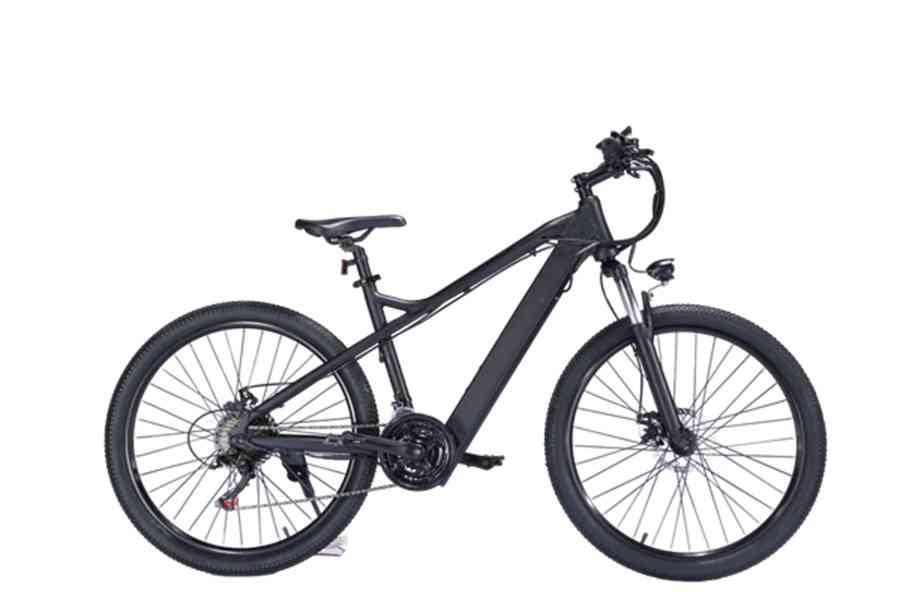
29-Inch City Models: For city riders who need speed, range, and efficiency, the controller regulates power to ensure long-distance travel while providing seamless transitions between high-speed bursts and low-speed cruising.
Seamless Mode Switching
One of the key selling points of LIIDEWA¡¯s electric vehicles is their ability to switch seamlessly between electric and manual modes. The speed controller is responsible for this functionality, allowing riders to toggle between powered and non-powered operation without experiencing any jerks or delays.
The controller optimizes battery use by only supplying power when necessary, which is particularly valuable for long-distance travelers. Whether you’re commuting across town or cycling up steep inclines, the controller ensures that power is delivered when needed most, reducing strain on the motor and extending battery life.
Customization and Programmability of the Speed Controller
Another feature of LIIDEWA¡¯s electric bikes is the ability to customize the speed controller settings to suit different rider preferences. Advanced speed controllers come with programmable features, allowing riders or dealers to set specific parameters, such as maximum speed, power output, and throttle sensitivity.
This flexibility is especially beneficial for customers with varying needs, from urban commuters who prioritize speed to off-road adventurers who require more torque and control. Customizable settings make LIIDEWA’s e-bikes a more attractive option for diverse markets, including both European and American consumers.
Safety Features and Enhancements
Safety is a priority for LIIDEWA, and the speed controller plays a crucial role in ensuring that riders are protected during their journeys. In addition to the brake cutoff sensor, some speed controllers come equipped with additional safety features like:
Overvoltage and Undervoltage Protection: This ensures that the motor isn¡¯t damaged by sudden voltage spikes or drops.
Thermal Protection: The controller will reduce power output if it detects overheating, preventing damage to both the motor and the controller.
Motor Lock Function: In some models, the controller has a built-in anti-theft feature that locks the motor, making it impossible to ride the bike without the key or passcode.
Conclusion
The electric bike speed controller circuit is a critical component that defines the performance, safety, and user experience of LIIDEWA¡¯s wide range of electric bikes. From ensuring smooth acceleration and braking to providing seamless transitions between manual and electric modes, the speed controller is central to the operation of each model, from compact folding bikes to rugged snow bikes. As LIIDEWA continues to expand into European and American markets, the company seeks to collaborate with Amazon dealers and agents, offering highly versatile and customizable e-bikes that cater to a diverse range of customer needs.
You maybe Like:
- Uncategorized
For adults Electric Bike
- Uncategorized
Best Buy Electric Bike
- Uncategorized
Adult Electric Bike
- Uncategorized
Adults Electric Bike
- Uncategorized
e electric bike liideway manufacturer
- Uncategorized
electric bike european warehouse liideway manufacturer
- Uncategorized
israel electric folding bike liideway manufacturer
- Uncategorized
8000w electric bike liideway manufacturer
- Uncategorized
electric motorcross bike liideway manufacturer


LIIDEWAY most popular Electric scooter are linked below:
T1 Single Motor 10inch off road tire
T1Pro Double motor 48v 23AH battery
T14 Single Motor 12inch city road tire
T6(Double motor)
T7 Double motor 11inch off road tire
T8 Double motor 60v 20AH battery
T9(Double motor)
T10 Double motor 11inch off road tire
LW3-Wheel(3wheel)
T5 Double motor 72v 50AH battery
T4 Double motor 60v 20AH battery
T11 Double motor Acrylic LED board
T13 Electric Snow Scooter 1500w motor