Electric Bike Kids Motor Parts: Essential Components and Considerations
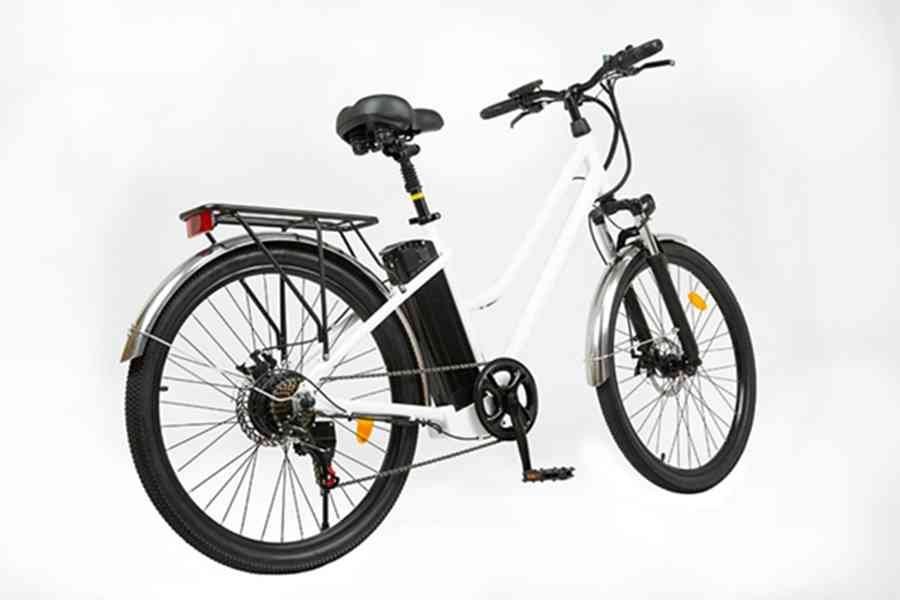
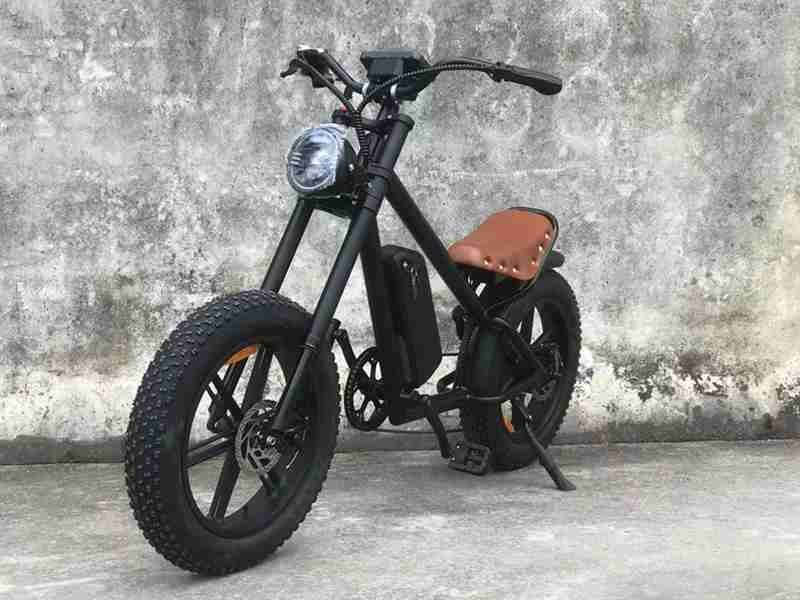
Electric bikes (e-bikes) are rapidly gaining popularity due to their versatility, eco-friendliness, and ease of use. As the market for e-bikes continues to grow, there¡¯s increasing demand for specialized models, including those tailored for kids. When it comes to children’s electric bikes, the motor parts are critical in ensuring a smooth, efficient, and safe ride. In this article, we will explore the key motor parts of electric bikes designed for kids, what to look for when choosing these components, and why they are essential for performance and safety.
Understanding the Basics of Electric Bike Motors
At the heart of every electric bike is its motor. This crucial component is responsible for powering the bike and determining its overall performance. For kids, an appropriately sized and well-functioning motor ensures that the e-bike is easy to ride, offers a fun experience, and remains safe.
There are two primary types of motors used in electric bikes:
Hub Motors: These are located either in the front or rear wheel. They directly propel the wheel by utilizing built-in gears or a direct-drive mechanism. Hub motors are easy to maintain, making them an ideal choice for kids¡¯ bikes. They also provide a smooth, linear acceleration which is important for young riders.
Mid-Drive Motors: Positioned in the center of the bike, mid-drive motors engage the bike’s drivetrain, providing power through the chain and pedals. These motors offer better weight distribution and performance but are more complex to maintain.
For children, hub motors are generally recommended due to their simplicity and ease of use. They require less maintenance, making them perfect for younger riders who are not yet ready to manage the complexities of a mid-drive system.
Power and Speed: What¡¯s Suitable for Kids?
When it comes to kids¡¯ electric bikes, the power of the motor must be carefully considered. The motor¡¯s power is typically measured in watts, and the amount of power can greatly influence the bike’s speed and handling.
Power Ratings for Kids¡¯ E-Bike Motors
250W Motors: These are standard for most children¡¯s electric bikes. They provide enough power for a comfortable and safe ride, offering speeds between 12-15 mph (19-24 km/h). This is perfect for young riders who are just getting started with electric bikes.
350W Motors: Some models designed for older kids or teenagers may use a slightly more powerful motor, providing more speed and torque for slightly steeper terrains. However, even with these, the speed should be capped at safe levels for children.
Speed Limits
Most kids’ electric bikes come with a speed limiter, ensuring that the bike doesn¡¯t exceed a pre-set speed. This safety feature is crucial, as it prevents children from riding at potentially dangerous speeds. When selecting a motor, ensure that it has a built-in speed control mechanism or that the bike allows for parental settings to adjust the maximum speed.
Motor Placement: Front, Rear, or Mid-Drive?
As mentioned earlier, motors can be placed in different positions on the bike, each affecting handling and performance.
Front Hub Motors
Front hub motors are the most common for kids¡¯ electric bikes. They provide adequate assistance while maintaining a traditional bike-like feel, making them easier to control for younger children. Front motors are lightweight and provide balanced power delivery.
Rear Hub Motors
Rear hub motors offer more stability and traction, especially when riding on uneven terrain. They are a great choice for kids who may be riding on dirt paths or hilly areas. However, these can sometimes make the bike feel a bit rear-heavy, which might be harder for smaller children to handle.
Mid-Drive Motors
While mid-drive motors are popular in adult electric bikes for their balanced weight distribution and efficiency, they are less common in kids¡¯ bikes due to their complexity and higher cost. These motors are typically found in premium models aimed at older or more experienced riders.
Battery and Motor Compatibility
The battery is the lifeblood of an electric bike, and it¡¯s essential to ensure that the motor and battery are compatible. For kids¡¯ e-bikes, batteries should be lightweight but offer enough power to support the motor for the desired range.
Key Battery Considerations:
Battery Capacity: Measured in ampere-hours (Ah), a higher capacity battery will provide longer rides between charges. However, for kids¡¯ bikes, a smaller capacity (around 7-10 Ah) is generally sufficient for everyday use.
Voltage: Ensure that the motor and battery voltage match. Most kids¡¯ electric bikes use 36V batteries, which are compatible with 250W to 350W motors.
Portability: Some batteries are removable, making them easier to charge separately. For kids, having a removable battery can be convenient as it allows parents to charge the battery without needing to move the entire bike.
Motor Maintenance for Kids¡¯ Electric Bikes
Maintaining the motor of an electric bike is crucial to ensure its longevity and performance. Kids¡¯ bikes are no exception, and with proper care, the motor can last for years without major issues. Here are a few maintenance tips:
Keep the Motor Clean: Regularly clean the motor area, especially if the bike is used in muddy or dusty conditions. Dirt can accumulate and affect the motor¡¯s performance.
Check the Connections: Ensure that all wires and connectors leading to the motor are secure. Kids may occasionally knock the bike over, which can loosen connections.
Inspect the Motor Housing: Make sure that the motor casing is intact and free of damage. If the bike is stored outside, protect it from rain and moisture to prevent rust or electrical issues.
Safety Features for Kids¡¯ Electric Bike Motors
Safety is a top priority when choosing electric bikes for children, and the motor plays a significant role in this. Look for motors that include:
Thermal Protection: Motors with built-in thermal sensors can automatically shut off to prevent overheating, which is crucial for preventing malfunctions or damage.
Regenerative Braking: Some motors come equipped with regenerative braking systems, which not only help stop the bike but also recharge the battery during braking. This feature is an added safety mechanism and helps increase efficiency.
Speed Governors: As mentioned earlier, having a speed governor ensures that the bike stays within safe speed limits for children.
Conclusion
Electric bikes for kids are a wonderful way to introduce them to the joys of cycling while providing an eco-friendly mode of transportation. When selecting an electric bike for your child, the motor is one of the most important parts to consider. From motor type and placement to power and safety features, choosing the right motor ensures a fun, efficient, and safe riding experience. By focusing on these essential components, you can make an informed decision that keeps your child excited about biking while ensuring their safety on the road.
You maybe Like:
- Uncategorized
For adults Electric Bike
- Uncategorized
Best Buy Electric Bike
- Uncategorized
Adult Electric Bike
- Uncategorized
Adults Electric Bike
- Uncategorized
kalkhoff electric bike liideway manufacturer
- Uncategorized
kids electric motor bike liideway manufacturer
- Uncategorized
electric e dirt bike liideway manufacturer
- 14inch Ebike
E-bike liideway M18
- Uncategorized
electric bike 24″ liideway manufacturer
- Uncategorized
72v 3000w electric bike liideway manufacturer



LIIDEWAY most popular Electric scooter are linked below:
T1 Single Motor 10inch off road tire
T1Pro Double motor 48v 23AH battery
T14 Single Motor 12inch city road tire
T6(Double motor)
T7 Double motor 11inch off road tire
T8 Double motor 60v 20AH battery
T9(Double motor)
T10 Double motor 11inch off road tire
LW3-Wheel(3wheel)
T5 Double motor 72v 50AH battery
T4 Double motor 60v 20AH battery
T11 Double motor Acrylic LED board
T13 Electric Snow Scooter 1500w motor