Understanding Electric Bike Regulations in the EU
Electric bikes (commonly referred to as e-bikes) are becoming increasingly popular in Europe due to their eco-friendly nature, affordability, and versatility. They are especially ideal for navigating through cities, commuting, or enjoying long-distance travel with the ease of electric assistance. However, if you’re thinking of riding or selling e-bikes in the European Union (EU), it’s crucial to understand the legal framework surrounding them.
What Constitutes an Electric Bike in the EU?
To begin with, it¡¯s essential to know what exactly is defined as an electric bike under EU regulations. According to the EU, an e-bike is categorized as a “pedelec” (Pedal Electric Cycle) if it meets specific requirements:
- The electric motor provides assistance only when the rider is pedaling, i.e., it does not function on throttle alone.
- The maximum continuous power of the motor must not exceed 250 watts.
- The motor assistance cuts off when the bike reaches a speed of 25 km/h (15.5 mph).
Electric bikes that fit within these parameters are treated the same as conventional bicycles and are not subject to the stringent regulations that govern mopeds or motorcycles. This means you do not need a license, insurance, or registration to operate them within the EU.
Types of Electric Bikes Legal in the EU
European markets offer a range of e-bikes to meet various consumer preferences. Some of the models that comply with EU regulations include:
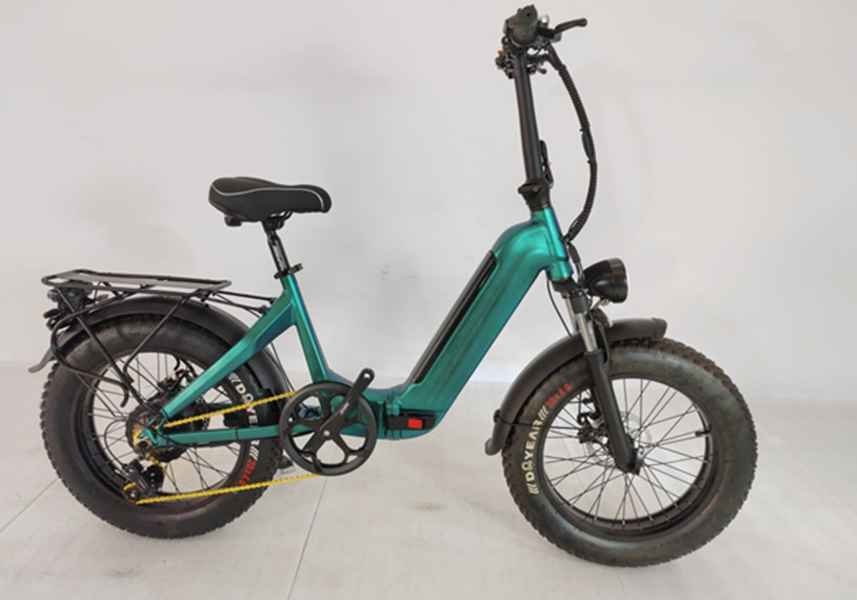
- 14-inch folding models: Ideal for urban commuting, these lightweight and portable bikes are perfect for short distances and easy storage.
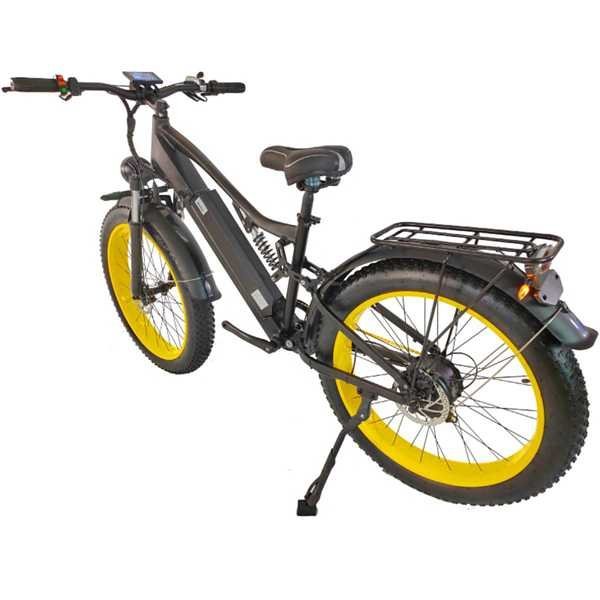
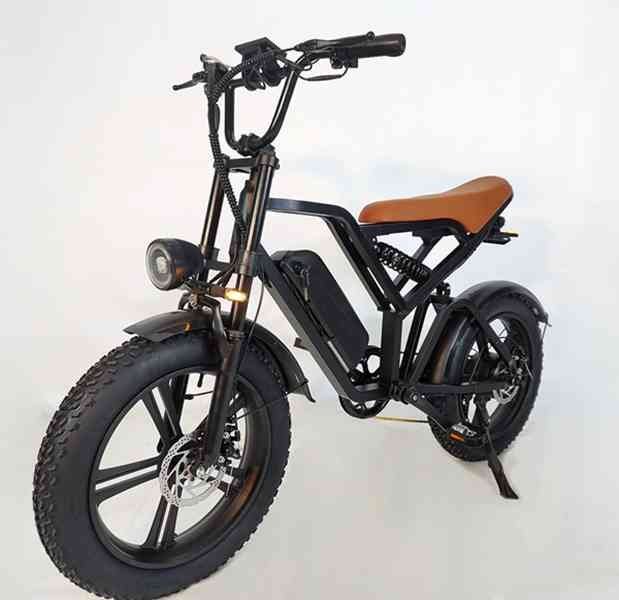
- 20-inch fat-tire models: These are rugged, off-road e-bikes designed for tackling rough terrains, including sand and gravel.
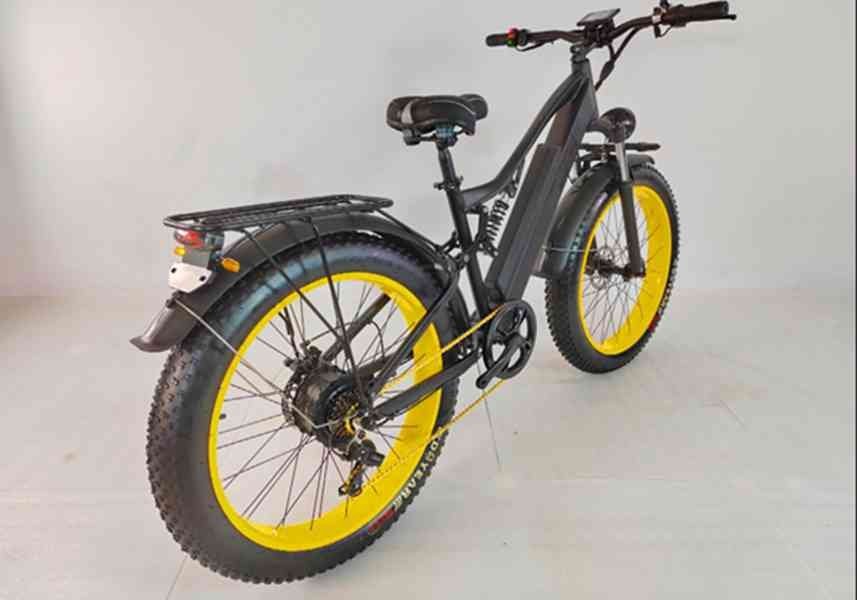
- 26-inch snow bikes: Equipped with wide tires for better traction in snow, these bikes are perfect for winter rides.
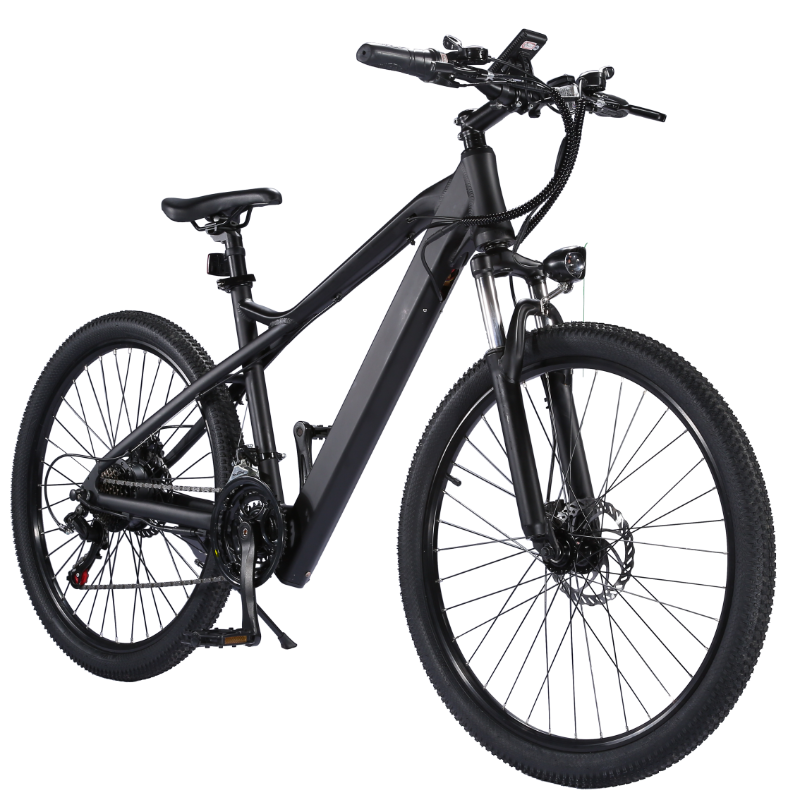
- 27-inch city models: Built for everyday commuting, these are stylish and efficient for navigating city streets.
- 29-inch city models: These are larger bikes designed for longer distances, offering a smooth ride and enhanced stability.
All these models, if designed according to the EU¡¯s e-bike legal requirements, can be sold and operated without any licensing or regulatory complications.
Legal Distinctions: E-Bikes vs. Speed Pedelecs
While regular e-bikes are classified as pedelecs, it¡¯s important to differentiate them from speed pedelecs, which are also popular in the European market.
Pedelec: As mentioned, the motor provides pedal-assist up to 25 km/h and the power output is limited to 250 watts. These bikes are considered bicycles and fall under the same legal category.
Speed Pedelec: This type of e-bike offers pedal assistance beyond 25 km/h, often up to 45 km/h (28 mph). These are classified as mopeds in the EU and must adhere to stricter regulations:
Riders need a license to operate them.
Registration and insurance are mandatory.
Riders must wear a helmet when using speed pedelecs.
For manufacturers and sellers, understanding these distinctions is crucial. Products marketed in the EU as standard e-bikes must strictly comply with the pedelec criteria. Any deviation, such as increased speed or power, will place the bike in a different category with more regulatory hurdles.
Safety Standards for Electric Bikes in the EU
To ensure the safety of riders and other road users, the EU has implemented specific safety standards for electric bikes, primarily outlined in the EN 15194 standard, which focuses on electronically power-assisted cycles (EPACs). These regulations ensure that all e-bikes meet minimum safety requirements before they are sold in the EU market. Some of the key areas covered include:
- Braking system: Electric bikes must have reliable brakes that can bring the bike to a full stop safely, even at maximum motor-assisted speeds.
- Electrical safety: The motor, battery, and wiring must adhere to specific electrical standards to prevent malfunctions or safety hazards.
- Noise emissions: Electric bikes must maintain low noise levels to ensure a quieter environment, especially in urban areas.
- Marking and labeling: The bike¡¯s specifications, including motor power, maximum speed, and other technical details, must be clearly marked for consumers and regulators.
For manufacturers like LIIDEWA, ensuring that your e-bikes meet these standards is essential before distributing them in the European market. Adhering to these standards will also boost consumer confidence in the product.
Market Potential and Opportunities in Europe
The European e-bike market is booming, driven by a growing demand for sustainable transportation, supportive government policies, and improved cycling infrastructure. Countries like Germany, the Netherlands, and France are leading the charge in e-bike adoption.
One of the key advantages of the European market is the supportive regulatory environment. Many European countries offer incentives for the purchase of electric bikes, such as subsidies, tax deductions, or even rebates. In some cities, e-bikes are promoted as an alternative to cars, reducing congestion and emissions.
For companies looking to expand in Europe, partnering with Amazon dealers or establishing distribution networks can be a strategic move. Amazon¡¯s reach and logistical support can provide a smooth entry into the diverse European markets, while local dealers can offer personalized customer service and after-sales support.
Why LIIDEWA¡¯s Electric Bikes Are Perfect for the EU Market
LIIDEWA offers a range of electric bikes that meet the diverse needs of European customers. Whether it’s compact, folding e-bikes for city dwellers or rugged fat-tire models for off-road enthusiasts, our products are designed with versatility in mind. More importantly, our e-bikes are fully compliant with EU legal standards, ensuring that they can be marketed and sold without any legal complications.
With a focus on long-distance travel, portability, and seamless switching between electric and manual modes, LIIDEWA’s products offer the perfect balance of convenience and performance. Our commitment to quality and safety aligns with the stringent EU standards, making our e-bikes a trusted choice for consumers and dealers alike.
By collaborating with Amazon dealers and local agents, we aim to bring our innovative electric bikes to more customers across Europe. Whether you¡¯re looking to ride through the snowy mountains of the Alps or commute through the bustling streets of Berlin, LIIDEWA has a model to fit your needs.
Conclusion
Electric bikes are transforming transportation across Europe, offering a green and efficient way to travel. As regulations continue to evolve, understanding and complying with the legal framework is critical for both manufacturers and sellers. LIIDEWA’s range of e-bikes offers a perfect solution for the EU market, combining functionality, portability, and legal compliance. We are excited to collaborate with dealers and agents to bring the future of mobility to the European streets.
You maybe Like:
- Uncategorized
For adults Electric Bike
- Uncategorized
Best Buy Electric Bike
- Uncategorized
Adult Electric Bike
- Uncategorized
Adults Electric Bike
- Uncategorized
e-bike cargo electric cargo bike liideway manufacturer
- Uncategorized
electric bike ghana liideway manufacturer
- Uncategorized
2000w electric cargo bike liideway manufacturer
- 26inch Ebike
E-bike wholesale liideway BK7
- Uncategorized
electric bike heavy duty liideway manufacturer
- Uncategorized
electric bike 20000w liideway manufacturer
LIIDEWAY most popular Electric scooter are linked below:
T1 Single Motor 10inch off road tire
T1Pro Double motor 48v 23AH battery
T14 Single Motor 12inch city road tire
T6(Double motor)
T7 Double motor 11inch off road tire
T8 Double motor 60v 20AH battery
T9(Double motor)
T10 Double motor 11inch off road tire
LW3-Wheel(3wheel)
T5 Double motor 72v 50AH battery
T4 Double motor 60v 20AH battery
T11 Double motor Acrylic LED board
T13 Electric Snow Scooter 1500w motor