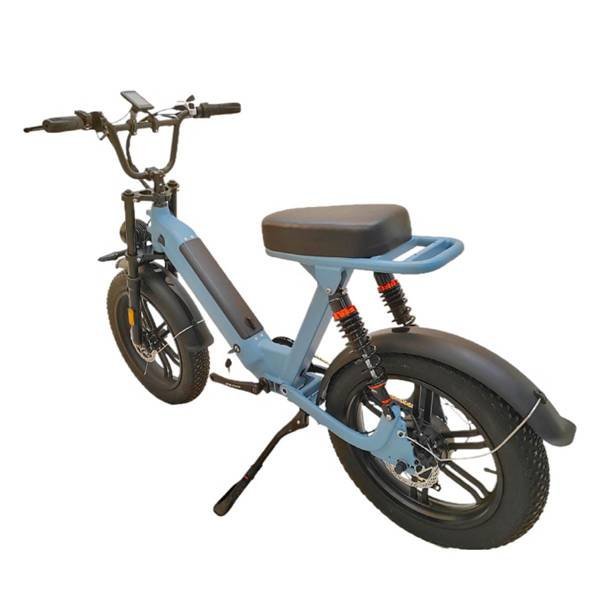
Speed Controller for Electric Bikes: Everything You Need to Know
The electric bike (e-bike) industry has experienced rapid growth, particularly in European and American markets, where innovative companies like LIIDEWA are leading the charge with versatile, high-quality products. One of the essential components that powers these electric vehicles is the speed controller. This device regulates the flow of electricity from the battery to the motor, determining the speed and performance of the bike. In this article, we’ll explore everything you need to know about speed controllers for electric bikes, how they function, their importance, and what to consider when choosing one for your e-bike.
What Is a Speed Controller for an Electric Bike?
A speed controller is an electronic component that governs the speed of an electric bike by regulating the power delivered from the battery to the motor. It acts as the intermediary between the rider¡¯s input (via the throttle or pedal-assist system) and the motor, determining how fast or slow the bike should move based on the rider’s command.
When you twist the throttle or engage the pedal assist, the controller modulates the amount of electric current that flows into the motor. This is a crucial aspect of the bike’s functionality, as it directly affects the ride quality, responsiveness, and overall performance.
How Does the Speed Controller Work?
The speed controller operates by converting the Direct Current (DC) from the bike¡¯s battery into a form that the motor can use. Most e-bikes use brushless DC motors (BLDC), and the controller manages the interaction between the motor¡¯s windings and the magnets to ensure smooth, efficient motion.
There are several important elements involved in the process:
- Throttle Input: When the rider presses or turns the throttle, it sends a signal to the speed controller indicating the desired speed.
- Current Regulation: The controller adjusts the amount of current (measured in amps) sent to the motor based on the throttle position. Higher current results in faster speeds, while lower current slows the bike down.
- Voltage Matching: The controller ensures that the motor receives the appropriate voltage from the battery, optimizing performance and protecting the motor from damage due to over-voltage.
- Motor Phase Control: For brushless motors, the controller coordinates the phases of the motor¡¯s windings, ensuring smooth and efficient rotation.
Types of Speed Controllers for Electric Bikes
There are several types of speed controllers available, designed to suit different e-bike models and riding preferences. Some of the most common ones include:
1. Sine Wave Controllers
These are known for providing a smooth, quiet, and efficient ride. Sine wave controllers generate a consistent current flow, minimizing noise and making the motor’s operation smoother. They are ideal for city models or those who prefer a quiet, comfortable experience.
2. Square Wave Controllers
Square wave controllers are simpler and more affordable but tend to be noisier than sine wave models. They send power in more abrupt pulses, which can result in slight vibrations or noise. However, they are still reliable and efficient, especially for off-road or mountain bikes like fat-tire or snow bike models.
3. Dual-Mode Controllers
Dual-mode controllers can operate in both sine wave and square wave modes. This makes them versatile, allowing riders to switch between smooth and more aggressive riding modes based on the terrain or riding preferences. These controllers are perfect for riders who need flexibility in different riding conditions.
Why Is the Speed Controller Important?
The speed controller plays a critical role in the overall performance and safety of an electric bike. Some of its key benefits include:
- Efficient Power Use: A well-functioning speed controller ensures that the motor uses power efficiently, prolonging battery life and maximizing distance traveled.
- Smooth Riding Experience: By modulating the current flow to the motor, the controller helps prevent jerky movements, providing a smoother, more enjoyable ride.
- Safety Features: Many speed controllers come with built-in safety features like overcurrent protection, under-voltage cutoff, and thermal protection to prevent the motor from overheating or drawing too much current.
- Customization Options: Some advanced speed controllers allow riders to customize settings, such as acceleration, regenerative braking, and motor speed limits, providing a tailored riding experience.
What to Consider When Choosing a Speed Controller
Choosing the right speed controller for your electric bike depends on several factors, including the type of bike, your riding preferences, and technical requirements. Here are a few things to consider:
1. Motor Compatibility
Ensure that the speed controller you choose is compatible with the motor of your e-bike. Different motors have varying power requirements, and the controller needs to be able to handle the correct voltage and current levels.
2. Amperage Rating
The amperage rating of the controller determines how much current it can supply to the motor. Higher amperage ratings provide more power, which is useful for riders looking for faster acceleration or tackling steep hills. However, higher power outputs also drain the battery faster.
3. Voltage Rating
Make sure the controller’s voltage rating matches the voltage of your battery. For example, a 48V controller should be paired with a 48V battery. Mismatching the voltage can result in poor performance or even damage to the bike’s electrical system.
4. Ride Type
Consider the type of riding you do most frequently. If you commute in a city, a sine wave controller may be more suitable for its quiet operation. For off-road enthusiasts, a square wave controller may provide the extra power and ruggedness needed for challenging terrain.
5. Additional Features
Some controllers offer additional features like regenerative braking, which helps to recharge the battery while slowing down the bike. Others may allow Bluetooth connectivity, giving riders the ability to adjust settings via a mobile app.
Conclusion
The speed controller is an indispensable part of any electric bike, dictating how efficiently power is used and how smoothly your bike rides. Whether you¡¯re riding a 14-inch folding bike, a 20-inch fat-tire model, or a 29-inch city bike, choosing the right controller can greatly enhance your overall riding experience. With LIIDEWA¡¯s wide range of e-bike models, you can find the perfect fit for your needs, whether you’re looking for portability, power, or performance.
As the electric bike market continues to grow, understanding the role of components like speed controllers can help both riders and potential Amazon dealers or agents make informed decisions. Working with trusted manufacturers like LIIDEWA ensures high-quality products designed for long-distance travel and diverse customer needs.
You maybe Like:
- Uncategorized
For adults Electric Bike
- Uncategorized
Best Buy Electric Bike
- Uncategorized
Adult Electric Bike
- Uncategorized
Adults Electric Bike
- Uncategorized
e electric bike liideway manufacturer
- Uncategorized
electric bike european warehouse liideway manufacturer
- Uncategorized
israel electric folding bike liideway manufacturer
- Uncategorized
8000w electric bike liideway manufacturer
- Uncategorized
electric motorcross bike liideway manufacturer

LIIDEWAY most popular Electric scooter are linked below:
T1 Single Motor 10inch off road tire
T1Pro Double motor 48v 23AH battery
T14 Single Motor 12inch city road tire
T6(Double motor)
T7 Double motor 11inch off road tire
T8 Double motor 60v 20AH battery
T9(Double motor)
T10 Double motor 11inch off road tire
LW3-Wheel(3wheel)
T5 Double motor 72v 50AH battery
T4 Double motor 60v 20AH battery
T11 Double motor Acrylic LED board
T13 Electric Snow Scooter 1500w motor