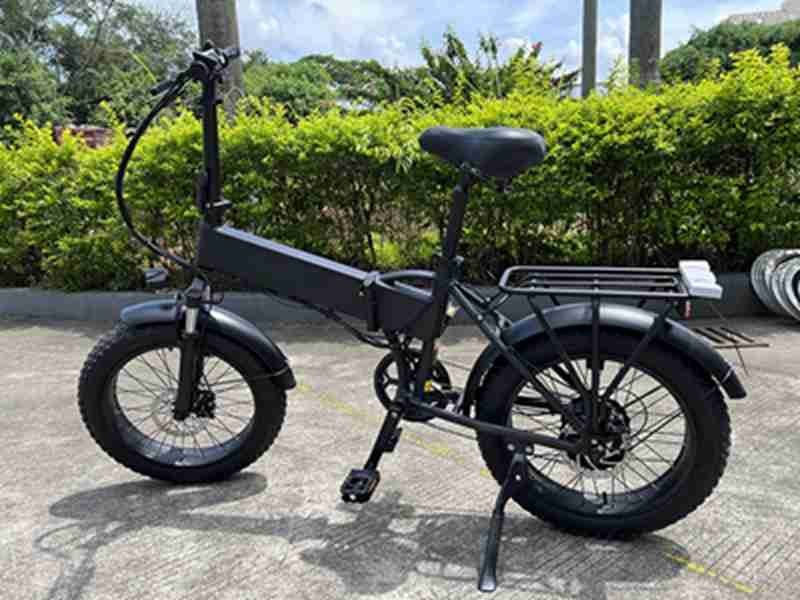
The Wire for the Electric Bike Motor: Understanding Its Importance
Electric bikes have revolutionized transportation, offering an eco-friendly and efficient means of traveling across various terrains. One critical component of an electric bike motor system is the wire that connects and powers it. This seemingly simple part plays a pivotal role in ensuring the smooth operation and performance of your electric bike. In this article, we will explore the significance of the wire in electric bike motors, how to choose the right one, and tips for maintaining it to ensure optimal performance.
What is the Wire for the Electric Bike Motor?
The wire for an electric bike motor is a vital component that connects the battery, controller, and motor. It serves as a conduit for electrical energy, transmitting power from the battery to the motor to propel the bike. Typically, these wires are made of copper or aluminum and are insulated to protect against external factors such as moisture, heat, and abrasion.
Key Functions of Electric Bike Motor Wires
- Power Transmission: The wire carries electrical current from the battery to the motor, ensuring that the motor receives the necessary energy to function.
- Signal Transmission: In addition to carrying power, some wires also transmit signals between the motor, battery, and controller, helping to regulate speed, acceleration, and braking.
- Safety and Protection: Insulated wires prevent short circuits, electrical leakage, and potential damage to the bike¡¯s electrical components.
Types of Wires Used in Electric Bike Motors
Different types of wires are used in electric bike motors, each serving a specific purpose. It¡¯s essential to choose the right type of wire to ensure the efficiency and longevity of your electric bike.
1. Power Wires
- Purpose: Transmit electrical energy from the battery to the motor.
- Characteristics: Usually thicker, as they need to carry a higher current without overheating.
- Common Materials: Copper is the preferred choice due to its excellent conductivity and flexibility.
2. Signal Wires
- Purpose: Relay signals between the motor, controller, and other electronic components.
- Characteristics: Thinner than power wires, as they carry low-voltage signals.
- Common Materials: Often made of copper, but sometimes aluminum is used.
3. Sensor Wires
- Purpose: Connect various sensors (such as speed or pedal-assist sensors) to the controller, ensuring that the electric bike responds accurately to the rider¡¯s input.
- Characteristics: Usually insulated and can be either single-core or multi-core, depending on the complexity of the sensor system.
Choosing the Right Wire for Your Electric Bike Motor
Selecting the right wire is crucial for the safe and efficient operation of your electric bike. Here are some factors to consider:
1. Wire Gauge
- The thickness of the wire (measured in AWG ¨C American Wire Gauge) determines how much current it can safely carry. A lower gauge number means a thicker wire.
- For high-powered electric bikes, thicker wires (e.g., 12-14 AWG) are necessary to handle the increased current without overheating.
2. Material
- Copper is the best material for electric bike wires due to its high conductivity, flexibility, and durability.
- Aluminum can be a more affordable option, but it¡¯s less conductive and more prone to corrosion.
3. Insulation
- Quality insulation is essential to protect the wire from environmental factors like moisture, heat, and physical damage.
- Common insulation materials include PVC, Teflon, and silicone, with silicone being ideal for high-temperature applications.
4. Length and Flexibility
- The wire should be long enough to connect all necessary components without being stretched or under tension.
- Flexible wires are easier to route around the bike¡¯s frame and handlebar.
Common Issues with Electric Bike Motor Wires
Wires in electric bike motors can experience various issues over time. Understanding these common problems can help you identify and resolve them promptly.
1. Wire Fraying or Breakage
- This can occur due to repeated bending, exposure to harsh weather conditions, or poor-quality materials.
- Regularly inspect your wires for signs of wear and tear to prevent sudden breakdowns.
2. Corrosion
- Wires can corrode over time, especially if exposed to moisture or salt (e.g., from road salt in winter).
- Use wires with high-quality insulation and regularly check for corrosion to prevent this issue.
3. Short Circuits
- A short circuit can occur if the insulation is damaged or if two wires come into direct contact.
- Always use properly insulated wires and secure them to prevent unnecessary movement.
Tips for Maintaining Electric Bike Motor Wires
Proper maintenance of your electric bike motor wires ensures their longevity and optimal performance. Here are some tips:
1. Regular Inspections
- Check the wires regularly for any signs of damage, fraying, or corrosion.
- Ensure all connections are secure and not exposed to moisture.
2. Protect Against Environmental Factors
- Avoid riding in extreme weather conditions, or use protective covers to shield the wires.
- Store your electric bike in a dry, sheltered area when not in use.
3. Use Quality Connectors and Terminals
- Use high-quality connectors to ensure a secure and stable connection between the wires and the motor.
- Avoid makeshift or poorly fitted connectors, as they can cause short circuits or signal loss.
Why Quality Wires Matter for Your Electric Bike Motor
The wire quality directly affects your electric bike’s performance, safety, and efficiency. High-quality wires ensure efficient power transmission, resulting in better acceleration, speed, and battery life. Poor-quality wires, on the other hand, can lead to energy loss, overheating, and even motor failure.
By investing in good-quality wires, you not only enhance the performance of your electric bike but also prolong its lifespan and reduce the risk of accidents caused by electrical faults.
Conclusion
The wire for the electric bike motor may seem like a small detail, but it plays a crucial role in the overall performance and safety of your electric bike. By understanding the different types of wires, how to choose the right one, and how to maintain them, you can ensure that your electric bike operates efficiently and reliably.
At LIIDEWA, we understand the importance of using high-quality components, including wires, to deliver exceptional electric vehicles and bikes. Our products are designed to meet diverse customer needs, from 14-inch folding models to 29-inch city bikes. If you are an Amazon dealer or agent interested in collaborating, we invite you to partner with us and experience the quality and innovation that LIIDEWA offers. Together, we can drive the future of electric transportation forward.
You maybe Like:
- Uncategorized
For adults Electric Bike
- Uncategorized
Best Buy Electric Bike
- Uncategorized
Adult Electric Bike
- Uncategorized
Adults Electric Bike
- Uncategorized
electric push balance bike liideway manufacturer
- Uncategorized
most powerful electric bike liideway manufacturer
- Uncategorized
electric bike 10000w liideway manufacturer
- Uncategorized
fiido electric folding bike liideway manufacturer
- Uncategorized
electric work bike liideway manufacturer
- Uncategorized
li ion electric bike liideway manufacturer
- Uncategorized
48v 750w electric bike kit liideway manufacturer
- Uncategorized
askmy electric bike liideway manufacturer



LIIDEWAY most popular Electric scooter are linked below:
T1 Single Motor 10inch off road tire
T1Pro Double motor 48v 23AH battery
T14 Single Motor 12inch city road tire
T6(Double motor)
T7 Double motor 11inch off road tire
T8 Double motor 60v 20AH battery
T9(Double motor)
T10 Double motor 11inch off road tire
LW3-Wheel(3wheel)
T5 Double motor 72v 50AH battery
T4 Double motor 60v 20AH battery
T11 Double motor Acrylic LED board
T13 Electric Snow Scooter 1500w motor