Battery for Electric Bike: A Comprehensive Guide for Dealers and Agents
Electric bikes (e-bikes) have rapidly gained popularity across the world, especially in the European and American markets. These vehicles offer a unique solution that combines the versatility of bicycles with the convenience and speed of electric vehicles, making them an ideal choice for both urban commuting and long-distance travel. A key component that drives the efficiency and appeal of e-bikes is the battery. As a dealer or agent interested in collaborating with LIIDEWA, understanding the importance and potential of e-bike batteries is crucial. This article delves into the details of e-bike batteries, their significance, and why they are central to the success of electric bikes.
Why the Battery is the Heart of an Electric Bike
The battery is the power source of an electric bike, determining how far and how fast the bike can go. It is the core component that influences the performance, range, and overall user experience. When customers choose an e-bike, one of their top concerns is how far the battery will last on a single charge. This is especially critical for long-distance travel, which LIIDEWA products are designed for. As a dealer or agent, showcasing the capabilities of the e-bike¡¯s battery to potential customers can be a key selling point.
Types of Batteries Used in Electric Bikes
Lithium-Ion Batteries: The most commonly used battery in electric bikes today is the lithium-ion (Li-ion) battery. These batteries are lightweight, energy-dense, and have a long lifespan, making them ideal for e-bikes.
Lead-Acid Batteries: Although cheaper, lead-acid batteries are bulkier and heavier compared to Li-ion batteries. They are generally not preferred for modern e-bikes due to their shorter lifespan and heavier weight.
Nickel-Cadmium (NiCd) Batteries: These batteries are not as widely used because they are less efficient than Li-ion batteries, and they contain toxic materials, making them less environmentally friendly.
Nickel-Metal Hydride (NiMH) Batteries: While more efficient than NiCd batteries, NiMH batteries are still outperformed by Li-ion batteries in terms of energy density and charging efficiency.
Factors Influencing Battery Life
Battery Capacity: The capacity of a battery, measured in watt-hours (Wh), indicates how much energy it can store. Higher-capacity batteries can store more energy and offer longer ranges.
Terrain: Steep hills and rough terrain require more power from the battery, which can reduce its range.
Rider Weight and Load: The heavier the rider and the cargo, the more power the motor needs, which impacts the battery life.
Weather Conditions: Extremely cold or hot weather can affect battery performance and reduce its efficiency.
Choosing the Right Battery for Your E-Bike Model
LIIDEWA offers a wide variety of electric bike models, each suited for different types of riding. The battery used in each model is tailored to the specific needs of that bike, ensuring optimal performance. For example:
14-Inch Folding Models: These are designed for portability and convenience, making them perfect for urban commuting. The battery on this model is typically compact and lightweight but still powerful enough for moderate distances.
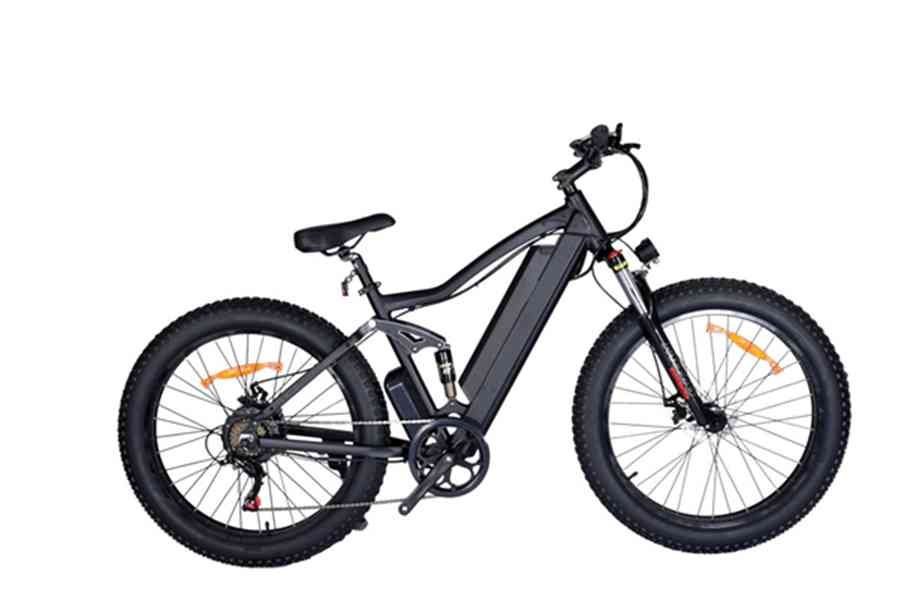
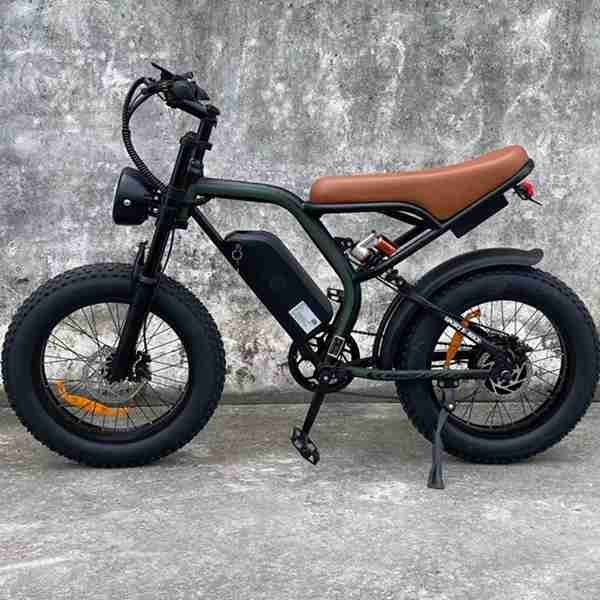
20-Inch Fat-Tire Versions: These bikes are ideal for rugged terrain, and their batteries need to deliver more power to handle off-road conditions.
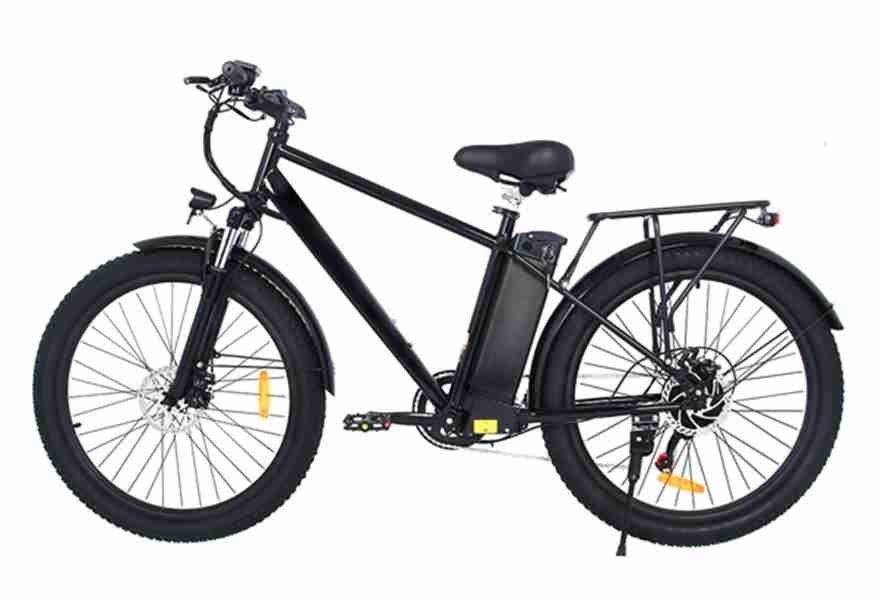
26-Inch Snow Bikes: Snow bikes require a robust battery that can perform in cold conditions without losing efficiency.
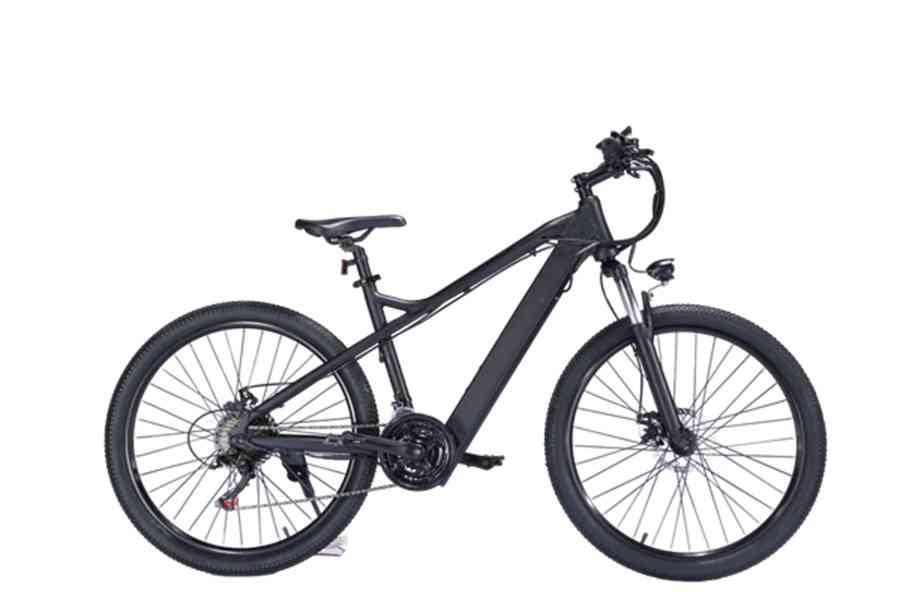
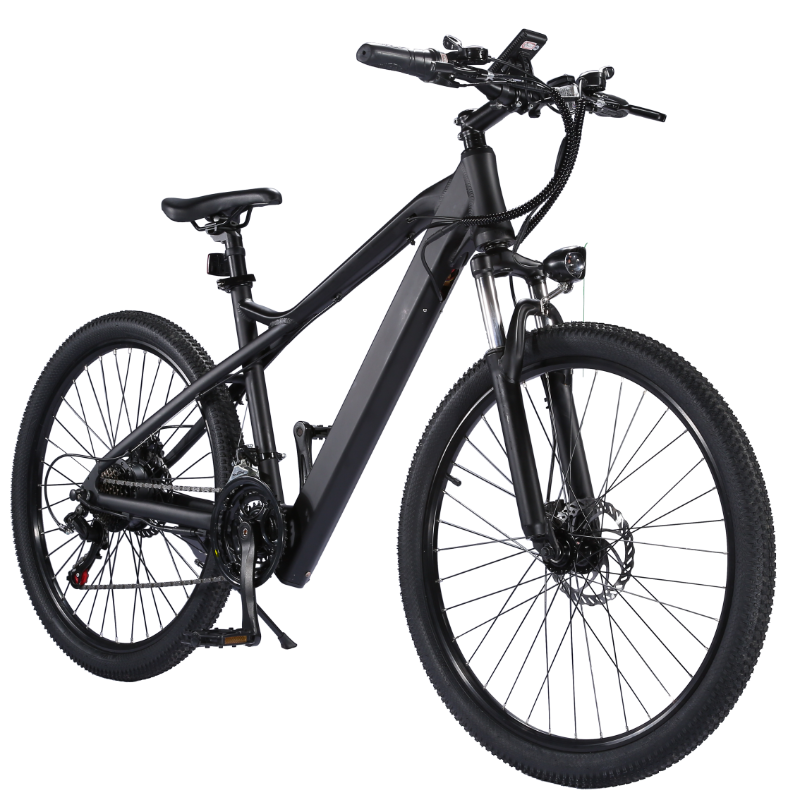
27-Inch and 29-Inch City Models: Designed for long-distance city rides, these models feature high-capacity batteries that allow for extended travel on a single charge.
Maintenance and Care of E-Bike Batteries
As a dealer or agent, it¡¯s important to educate your customers about proper battery maintenance to extend its lifespan and ensure safety. Here are some tips:
Charging the Battery: Advise users to avoid completely depleting the battery before charging. Partial charging helps prolong the battery¡¯s life.
Storing the Battery: Batteries should be stored in a cool, dry place away from extreme heat or cold. This is especially important for those who live in areas with harsh weather conditions.
Regular Inspection: Encourage customers to regularly inspect their battery for any signs of damage or wear. If the battery is swollen or leaking, it should be replaced immediately.
Avoid Overcharging: Modern e-bike batteries are designed to prevent overcharging, but it¡¯s still a good practice to unplug the charger once the battery is full.
The Future of E-Bike Batteries: Trends and Innovations
The electric bike industry is constantly evolving, and so are the batteries that power these bikes. Some of the latest trends in e-bike battery technology include:
Higher Energy Density: Battery manufacturers are continually working on improving the energy density of batteries. This means that future batteries will be able to store more power without increasing in size or weight.
Faster Charging: As technology advances, the time it takes to fully charge an e-bike battery is decreasing. This is a significant selling point for customers who need their bike to be ready to go at short notice.
Improved Battery Management Systems (BMS): BMS technology is improving to better manage the charging and discharging of batteries. This helps extend the life of the battery and ensures optimal performance.
Swappable Batteries: Some manufacturers are working on developing e-bikes with swappable batteries, allowing users to carry a spare battery for longer trips or quickly switch out a depleted battery for a fully charged one.
Why Partner with LIIDEWA?
LIIDEWA¡¯s electric bikes are designed with the highest quality batteries to meet diverse customer needs. Whether it¡¯s a portable folding bike for city commuting or a fat-tire bike for rugged terrains, LIIDEWA¡¯s e-bikes provide reliable performance, long battery life, and versatility.
As a dealer or agent, you can take advantage of the growing demand for electric bikes in both the European and American markets. By partnering with LIIDEWA, you¡¯ll have access to a range of innovative e-bike models equipped with top-tier batteries, ensuring customer satisfaction and driving sales.
Conclusion
The battery is the heart of every electric bike, and understanding its role is essential for anyone involved in the e-bike industry. With the growing demand for long-distance travel, portable designs, and diverse models, e-bike batteries are more important than ever. LIIDEWA¡¯s electric bikes offer powerful and efficient batteries that cater to different riding needs, making them a leading choice in the market. By partnering with LIIDEWA, you can tap into this exciting market and offer your customers the best in electric bike technology.
You maybe Like:
- Uncategorized
For adults Electric Bike
- Uncategorized
Best Buy Electric Bike
- Uncategorized
Adult Electric Bike
- Uncategorized
Adults Electric Bike
- Uncategorized
e-bike cargo electric cargo bike liideway manufacturer
- Uncategorized
electric bike ghana liideway manufacturer
- Uncategorized
2000w electric cargo bike liideway manufacturer
- 26inch Ebike
E-bike wholesale liideway BK7
- Uncategorized
electric bike heavy duty liideway manufacturer
- Uncategorized
electric bike 20000w liideway manufacturer
LIIDEWAY most popular Electric scooter are linked below:
T1 Single Motor 10inch off road tire
T1Pro Double motor 48v 23AH battery
T14 Single Motor 12inch city road tire
T6(Double motor)
T7 Double motor 11inch off road tire
T8 Double motor 60v 20AH battery
T9(Double motor)
T10 Double motor 11inch off road tire
LW3-Wheel(3wheel)
T5 Double motor 72v 50AH battery
T4 Double motor 60v 20AH battery
T11 Double motor Acrylic LED board
T13 Electric Snow Scooter 1500w motor