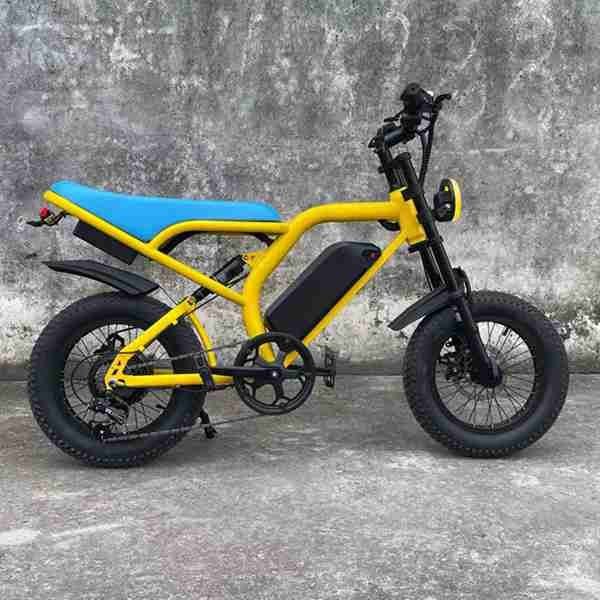
Introduction to Electric Bike Battery Types
Electric bikes (e-bikes) have revolutionized the way people travel by combining the convenience of traditional bicycles with the power of electric motors. One of the most crucial components of any electric bike is its battery. The type of battery used in an e-bike significantly affects its performance, range, weight, and overall user experience. In this article, we will explore the different types of batteries used in e-bikes, their advantages, and how to choose the right one for your needs.
Types of Electric Bike Batteries
The most common types of batteries used in electric bikes today are lithium-ion (Li-ion), nickel-metal hydride (NiMH), and lead-acid batteries. Each type has its own characteristics, pros, and cons.
1. Lithium-Ion (Li-ion) Batteries
Overview
Lithium-ion batteries are by far the most popular and widely used type in modern electric bikes. They are lightweight, have a high energy density, and can be recharged many times without losing significant capacity. The chemistry of lithium-ion batteries allows them to store more energy in a smaller and lighter package compared to older battery technologies.
Advantages
- High energy density: Lithium-ion batteries can store a lot of energy in a compact size, making them ideal for e-bikes.
- Long lifespan: These batteries can endure many charge cycles, often lasting up to 1,000 full charges before their capacity begins to degrade significantly.
- Lightweight: Their lightweight nature helps improve the bike’s efficiency and ease of use.
- Fast charging: Li-ion batteries typically charge faster than other types, allowing riders to get back on the road sooner.
Disadvantages
- Cost: Lithium-ion batteries are more expensive upfront compared to other battery types.
- Sensitive to temperature: Extreme temperatures can affect the performance and lifespan of lithium-ion batteries.
2. Nickel-Metal Hydride (NiMH) Batteries
Overview
Nickel-metal hydride (NiMH) batteries were once a popular choice for electric bikes but have largely been overtaken by lithium-ion batteries. NiMH batteries offer better energy density than lead-acid batteries but fall short when compared to lithium-ion technology. They are more environmentally friendly than lead-acid but still heavier and less efficient than Li-ion batteries.
Advantages
- Less toxic materials: NiMH batteries use fewer harmful materials than lead-acid batteries, making them a more environmentally friendly option.
- Decent lifespan: These batteries can handle a reasonable number of charge cycles, though not as many as lithium-ion batteries.
- Moderate performance: They offer better performance than lead-acid batteries but are outclassed by Li-ion options.
Disadvantages
- Weight: NiMH batteries are heavier than lithium-ion batteries, which can make the bike less efficient.
- Memory effect: NiMH batteries suffer from the memory effect, where they lose capacity if not fully discharged before recharging.
- Lower energy density: While better than lead-acid, the energy density of NiMH is still lower than lithium-ion, resulting in shorter ranges.
3. Lead-Acid Batteries
Overview
Lead-acid batteries are the oldest battery technology still used in some electric bikes. Despite being largely outdated, they are still found in cheaper e-bikes due to their low cost. However, their heavy weight and relatively short lifespan make them a less desirable option for modern electric bike designs.
Advantages
- Affordability: Lead-acid batteries are much cheaper than lithium-ion and NiMH batteries, making them a budget-friendly choice.
- Availability: Due to their widespread use in various industries, lead-acid batteries are easy to find and replace.
Disadvantages
- Weight: Lead-acid batteries are heavy, which can reduce the range and performance of an e-bike.
- Short lifespan: These batteries have a significantly shorter lifespan compared to lithium-ion batteries, often lasting only 300-500 charge cycles.
- Low energy density: Lead-acid batteries are large and bulky, providing less power compared to their size.
- Longer charging times: Lead-acid batteries generally take longer to charge, which can be inconvenient for riders who need to recharge quickly.
Factors to Consider When Choosing an E-Bike Battery
When selecting the best battery for your electric bike, several factors should be considered to ensure you get the most suitable option for your needs.
1. Range and Capacity
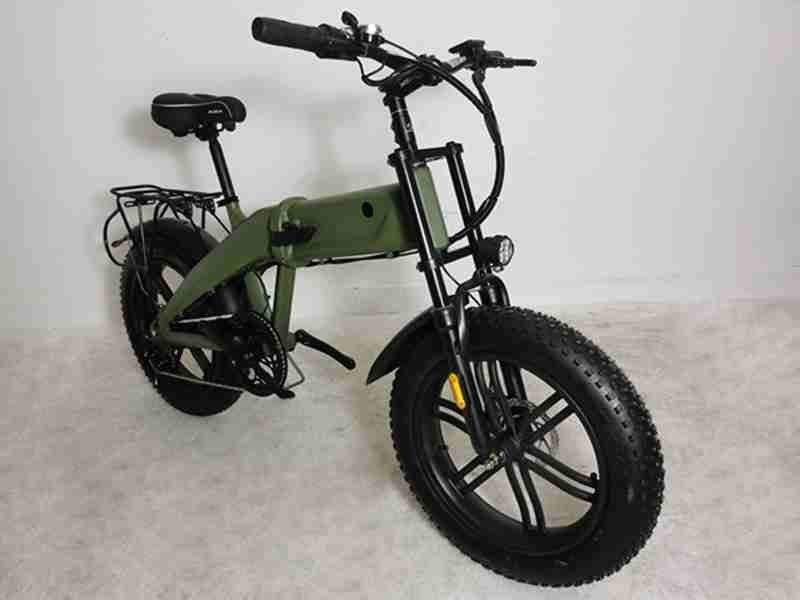
The battery’s capacity, usually measured in watt-hours (Wh), determines how far the bike can travel on a single charge. A larger capacity battery will offer a longer range but may also be heavier and more expensive. Riders who plan on using their e-bikes for long-distance travel should prioritize a high-capacity battery, such as those commonly found in 20-inch fat-tire or 26-inch snow bikes.
2. Weight
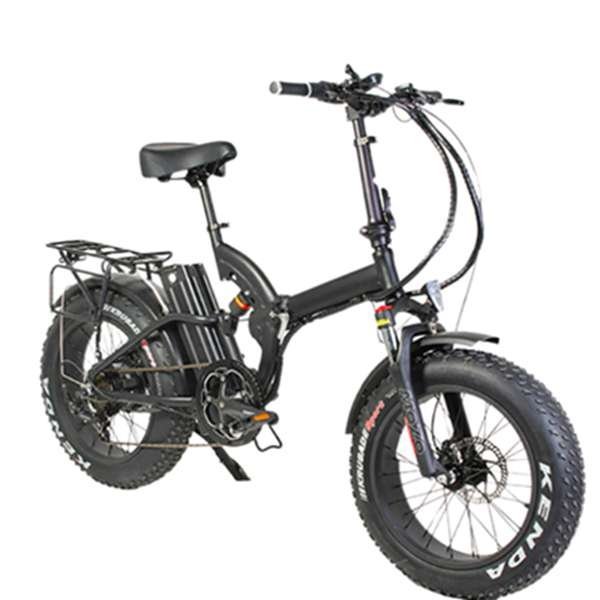
The weight of the battery directly affects the overall performance and portability of the electric bike. For instance, 14-inch folding models and city e-bikes require lighter batteries to ensure ease of use and transportation. Lithium-ion batteries are generally the best choice for such models due to their high energy density and low weight.
3. Lifespan
Battery lifespan is another key consideration, especially if you plan to use your e-bike frequently. Lithium-ion batteries offer the best longevity, making them a smart investment for riders who want a battery that will last for years.
4. Charging Time
Some batteries, like lithium-ion models, charge faster than others, which can be a deciding factor for those who need to recharge quickly between rides. Riders who use their bikes daily or for commuting should opt for a fast-charging battery.
5. Environmental Impact
If sustainability is a priority, it¡¯s important to consider the environmental impact of the battery you choose. NiMH batteries are more eco-friendly than lead-acid options, but lithium-ion batteries, while not perfect, are still more efficient and less harmful to the environment.
Conclusion
Choosing the right battery for your electric bike is crucial for ensuring optimal performance, longevity, and user satisfaction. Lithium-ion batteries are the most popular and versatile choice for modern electric bikes due to their lightweight, long lifespan, and fast charging capabilities. However, depending on your budget and needs, nickel-metal hydride and lead-acid batteries might still be viable options. Whether you’re riding a 14-inch folding model for urban commuting or a 29-inch city e-bike for longer journeys, selecting the right battery will enhance your overall experience.
If you are an Amazon dealer or agent interested in collaborating with LIIDEWA, our wide range of electric bikes and battery options will meet diverse market demands and provide excellent opportunities for growth.
You maybe Like:
- Uncategorized
other electric bike motorcycles liideway manufacturer
- Uncategorized
electric bike motor 5000w liideway manufacturer
- Uncategorized
mtb electric bike 26 liideway manufacturer
- Uncategorized
bike elettrica electric 5000w liideway manufacturer
- Uncategorized
electric bike kit 26 inch liideway manufacturer
- Uncategorized
5000w electric bike kit liideway manufacturer
- Uncategorized
electric bikes for women liideway manufacturer
- Uncategorized
electric motorcross bike liideway manufacturer
- Uncategorized
lopifit electric bike liideway manufacturer
- 26inch Ebike
Electric bike factory liideway M19
LIIDEWAY most popular Electric scooter are linked below:
T1 Single Motor 10inch off road tire
T1Pro Double motor 48v 23AH battery
T14 Single Motor 12inch city road tire
T6(Double motor)
T7 Double motor 11inch off road tire
T8 Double motor 60v 20AH battery
T9(Double motor)
T10 Double motor 11inch off road tire
LW3-Wheel(3wheel)
T5 Double motor 72v 50AH battery
T4 Double motor 60v 20AH battery
T11 Double motor Acrylic LED board
T13 Electric Snow Scooter 1500w motor